

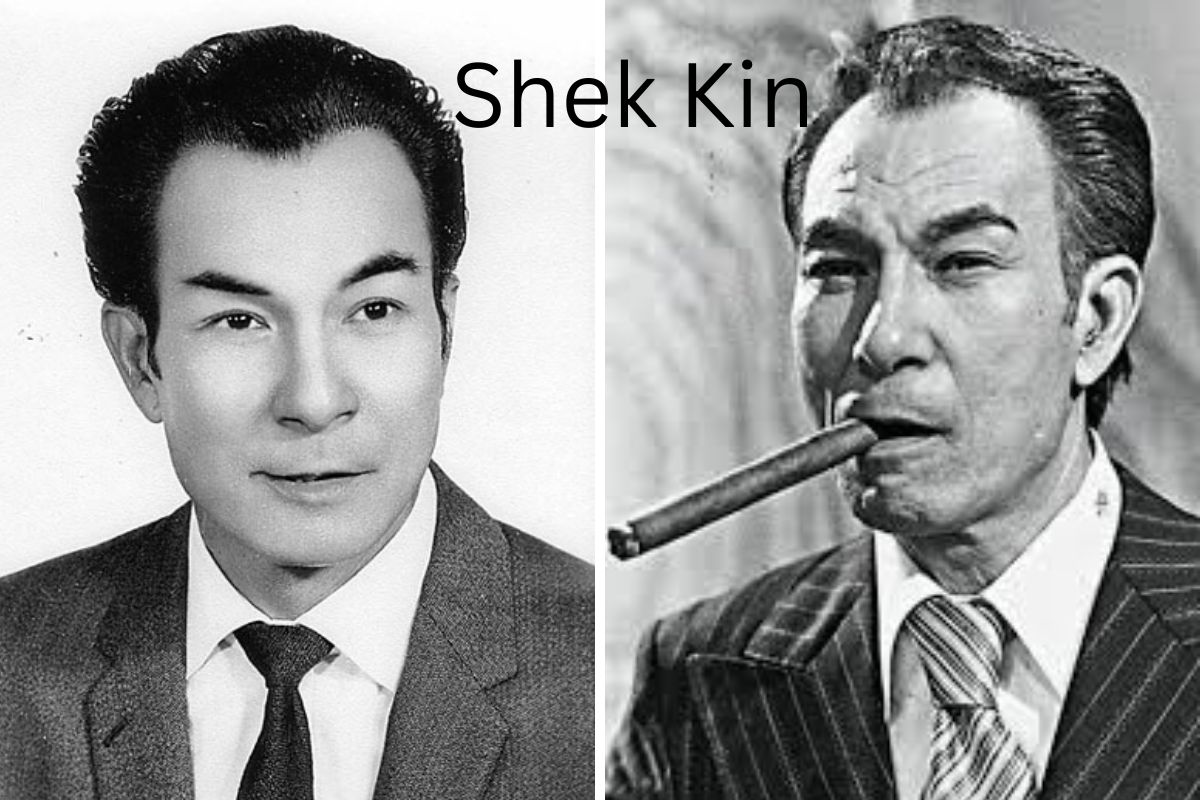
Introduction
Shek Kin, also known as Shih Kien or Sek Kin, is a name that resonates strongly in the history of Hong Kong cinema. Renowned for his iconic portrayal of villains in martial arts films, Shek Kin left an indelible mark on the industry, influencing generations of actors and filmmakers. His performances were not just about menacing presence; they combined martial arts expertise, emotional depth, and a nuanced understanding of character. This article explores the life, career, and legacy of Shek Kin, shedding light on why he remains a celebrated figure in martial arts cinema.
Early Life and Background
Birth and Family
Shek Kin was born as Shek Wing-cheung in 1913 in Shigang Village, Panyu, Guangdong, China. He grew up during a period of social and political upheaval, which shaped his resilience and determination. Coming from a modest family, he was exposed to traditional Chinese culture, which would later influence his understanding of historical and martial arts roles.
Martial Arts Training
From a young age, Shek Kin was fascinated by martial arts. He trained in various disciplines, which not only strengthened his body but also instilled discipline and focus. This training became the foundation of his future career in martial arts cinema, allowing him to perform fight sequences with authenticity and skill.
Entry into the Film Industry
Shek Kin began his career in the Hong Kong film industry as a make-up artist in 1939. His early exposure to film production helped him understand the intricacies of acting and storytelling. By 1940, he made his acting debut in the film Flower in a Sea of Blood, marking the start of a career that would span over five decades.
Rise to Fame
Early Film Roles
During the 1940s and 1950s, Shek Kin appeared in numerous Cantonese films. He quickly became known for his ability to portray complex characters, often with shades of grey. While many actors of the time were typecast as heroes, Shek Kin carved a niche for himself as the quintessential villain.
Signature Villain Roles
The 1960s marked the peak of Shek Kin’s career as a villain in Hong Kong martial arts films. He became famous for his roles in films about Wong Fei-hung, where he often played antagonists that challenged the hero’s moral and physical strength. His commanding presence, intense expressions, and martial arts prowess made him unforgettable on screen.
International Recognition
Shek Kin’s talent reached global audiences with his role as Han in Bruce Lee’s Enter the Dragon (1973). His performance as the menacing villain in this iconic film solidified his international reputation. Critics and audiences alike praised his ability to portray a character that was both intimidating and compelling, making him one of the most memorable villains in martial arts cinema history.
Acting Style and Technique
Physical Presence
Shek Kin’s martial arts training gave him an edge in action sequences. His movements were precise, deliberate, and visually striking, which made fight scenes both believable and engaging. He had a natural ability to blend aggression with elegance, creating a unique style that set him apart from other actors of his time.
Emotional Depth
Beyond physicality, Shek Kin was admired for his ability to convey emotion through subtle expressions and gestures. Even when portraying a villain, he brought humanity to his characters, making them relatable and multi-dimensional. This emotional depth contributed to the enduring impact of his performances.
Versatility
While he is most famous for villain roles, Shek Kin was a versatile actor. In the later stages of his career, he took on roles that showcased his range, including kindly elders, mentors, and father figures in television dramas. This versatility demonstrated his growth as an actor and his ability to adapt to changing trends in the entertainment industry.
Iconic Films of Shek Kin
Wong Fei-hung Series
Shek Kin’s portrayal of antagonists in the Wong Fei-hung series made him a household name. His characters were often cunning, powerful, and relentless, providing the perfect foil to the heroic protagonist. These films showcased not only his acting talent but also his martial arts expertise.
Enter the Dragon (1973)
In Enter the Dragon, Shek Kin’s role as Han remains one of the most iconic villain performances in cinematic history. His commanding presence, strategic thinking, and martial arts mastery made him a formidable opponent to Bruce Lee’s character. The film’s global success introduced Shek Kin to international audiences and solidified his legacy.
Other Notable Works
Throughout his career, Shek Kin appeared in hundreds of films and television series. His work spanned different genres, from historical dramas to modern action films. Each performance reinforced his reputation as a skilled and dedicated actor who could bring any character to life.
Legacy and Influence
Impact on Martial Arts Cinema
Shek Kin’s influence on martial arts cinema cannot be overstated. He helped define the archetype of the cinematic villain, blending martial arts skill with emotional depth. His performances set a standard for future actors and inspired a generation of filmmakers in Hong Kong and beyond.
Recognition and Awards
Although primarily recognized for his villain roles, Shek Kin received numerous accolades for his contribution to the film industry. Lifetime achievement awards and professional recognitions highlighted his enduring impact on Hong Kong cinema.
Remembering Shek Kin
Shek Kin passed away in 2009 at the age of 96, leaving behind a rich legacy of cinematic excellence. Fans, actors, and critics remember him not just as a villain on screen but as a pioneer who elevated the art of acting in martial arts films. His work continues to be studied, celebrated, and enjoyed by audiences around the world.
Conclusion
Shek Kin’s life and career represent a remarkable journey in Hong Kong cinema. From humble beginnings to international acclaim, he became an iconic figure whose talent transcended the roles he played. His dedication to his craft, martial arts expertise, and ability to portray complex characters ensured that his legacy would endure. Shek Kin is more than a film actor; he is a symbol of the golden era of martial arts cinema, a true master of his art, and an inspiration for future generations of performers.