

Introduction
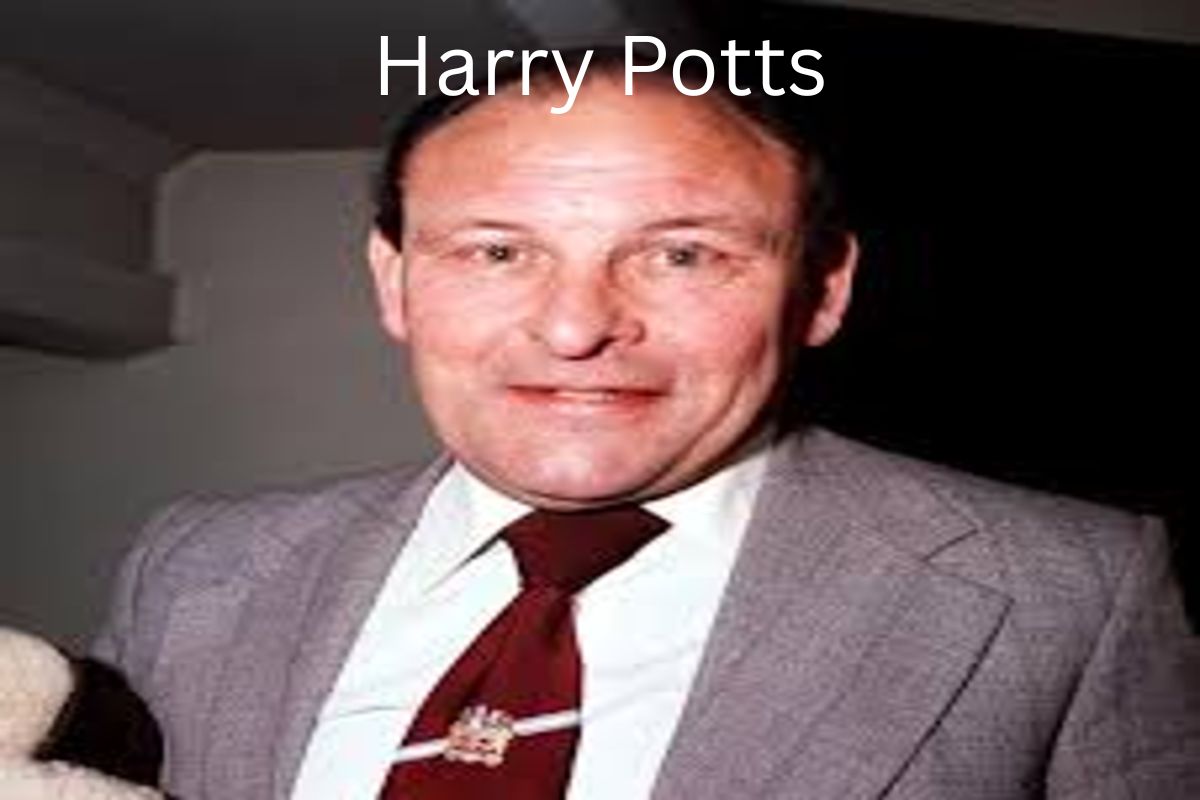
Harry Potts remains one of the most iconic figures in English football history. Renowned for his visionary approach to football management, Potts left an indelible mark on Burnley Football Club and the broader English football landscape. From his early playing days to his successful managerial career, his story exemplifies dedication, strategic brilliance, and a deep love for the game. This article delves into the life, career, and legacy of Harry Potts, providing a comprehensive understanding of why he is celebrated as one of football’s finest.
Early Life and Playing Career
Early Life and Passion for Football
Born on 22 October 1920 in Hetton-le-Hole, England, Harry Potts grew up during a period when football was rapidly evolving in the country. From a young age, Potts displayed a remarkable talent and passion for the sport. Encouraged by his family and local coaches, he pursued football relentlessly, eventually joining Burnley’s youth system.
Professional Playing Career
Burnley FC (1937–1950)
Potts began his professional playing career with Burnley in 1937. Operating as an inside forward, he quickly gained recognition for his skill, vision, and goal-scoring ability. His career was interrupted by World War II, but he resumed playing afterward and became a key figure in the team. Potts helped Burnley secure promotion from the Second Division, showcasing his leadership on and off the field.
Everton FC (1950–1956)
In 1950, Harry Potts transferred to Everton for a reported fee of £20,000. At Everton, he continued to demonstrate his talent, contributing significantly to the team’s performances. Although he gradually became less regular in the first team in later years, his professionalism and dedication remained exemplary. By the time he retired in 1956, Potts had amassed around 224 league appearances and scored 62 goals.
Transition from Player to Manager
Early Coaching Roles
After retiring as a player, Potts transitioned seamlessly into coaching. He briefly joined Wolverhampton Wanderers as a coach, where he gained valuable experience in team management and tactical planning. This period helped him develop the skills necessary to lead a club as a manager.
Shrewsbury Town Managerial Debut
In 1957, Potts took his first managerial role at Shrewsbury Town. Though his tenure was brief, it marked the beginning of a legendary managerial career. His innovative ideas and ability to inspire players quickly drew attention from larger clubs.
Burnley FC: The Golden Era
First Spell as Burnley Manager (1958–1970)
Taking Charge
Harry Potts returned to Burnley in February 1958 as the first-team manager. At the time, Burnley was striving to establish itself among England’s elite football clubs. Potts brought a disciplined, strategic approach to the team, emphasizing fitness, teamwork, and tactical awareness.
First Division Championship (1959–60)
The pinnacle of Potts’ managerial career came in the 1959–60 season when he led Burnley to the First Division title, the highest achievement in English football at the time. This success was a testament to his tactical brilliance, keen eye for talent, and ability to motivate his players. Burnley’s triumph under Potts remains one of the club’s greatest achievements.
FA Cup and European Ventures
Following the league title, Burnley competed in the FA Cup and European competitions. Under Potts, the team reached the FA Cup final in 1962, narrowly losing to Tottenham Hotspur. His leadership during this era also guided Burnley into the European Cup, showcasing his ability to compete on an international stage.
Player Development
Potts was renowned for nurturing young talent. Several players who rose to prominence under his guidance went on to achieve national recognition. His focus on youth development created a sustainable model for Burnley, ensuring long-term success for the club.
Legacy of the First Spell
Harry Potts’ first spell at Burnley established him as a visionary manager. Over 600 games, he built a resilient and competitive squad, capable of challenging larger clubs despite limited resources. His emphasis on discipline, tactical flexibility, and player development set standards that influenced future generations of football managers.
Later Career and Return to Burnley
Blackpool FC (1972–1976)
After leaving Burnley in 1970, Potts took the managerial position at Blackpool FC. During his tenure, he maintained competitive performances in the Second Division. While he did not secure major trophies with Blackpool, his reputation as a capable and strategic manager remained intact.
Second Spell at Burnley (1977–1979)
Harry Potts returned to Burnley in 1977 for a second managerial spell. This period brought the Anglo-Scottish Cup victory in 1978–79, adding another accolade to his decorated career. Though his second tenure did not replicate the highs of the 1959–60 championship, his return reinforced his commitment to the club and its players.
Managerial Philosophy and Tactics
Tactical Innovation
Harry Potts was ahead of his time in terms of football tactics. He believed in a balanced approach, combining defensive organization with attacking fluidity. His teams were known for their adaptability, capable of switching formations and strategies to exploit opponents’ weaknesses.
Emphasis on Fitness and Discipline
Potts placed significant importance on physical fitness and discipline. He understood that a well-conditioned team could outlast opponents, maintain high performance throughout matches, and respond effectively to tactical changes.
Leadership and Motivation
Beyond tactics, Potts excelled in leadership. He motivated players through personal engagement, encouragement, and clear communication. His ability to inspire teams contributed directly to their success and fostered loyalty among players and staff.
Achievements and Honors
Major Honors as Manager
- English First Division Champion (1959–60) with Burnley.
- Anglo-Scottish Cup Winner (1978–79) with Burnley.
Player Achievements
- Promoted Burnley and Everton from the Second Division during his playing career.
- Amassed 224 league appearances and 62 goals as an inside forward.
Legacy and Impact
Contribution to Burnley FC
Harry Potts is celebrated as Burnley’s most successful modern-era manager. His contributions are immortalized by a road named “Harry Potts Way” near Turf Moor, honoring his enduring legacy. His focus on youth development, tactical innovation, and leadership left a lasting imprint on the club’s culture.
Influence on English Football
Potts’ managerial methods influenced English football beyond Burnley. Many managers cite his disciplined approach, tactical knowledge, and player-centric philosophy as inspirations. His achievements demonstrated that even clubs with limited resources could compete at the highest level through smart management.
Conclusion
Harry Potts was more than a football manager; he was a visionary who shaped an era of English football through strategy, discipline, and leadership. His achievements with Burnley, including the First Division title and Anglo-Scottish Cup, highlight his exceptional capabilities. Beyond trophies, his legacy lives on in the players he developed, the tactical innovations he implemented, and the enduring respect he commands in football history. Harry Potts remains a shining example of dedication, intelligence, and passion in the world of football.