

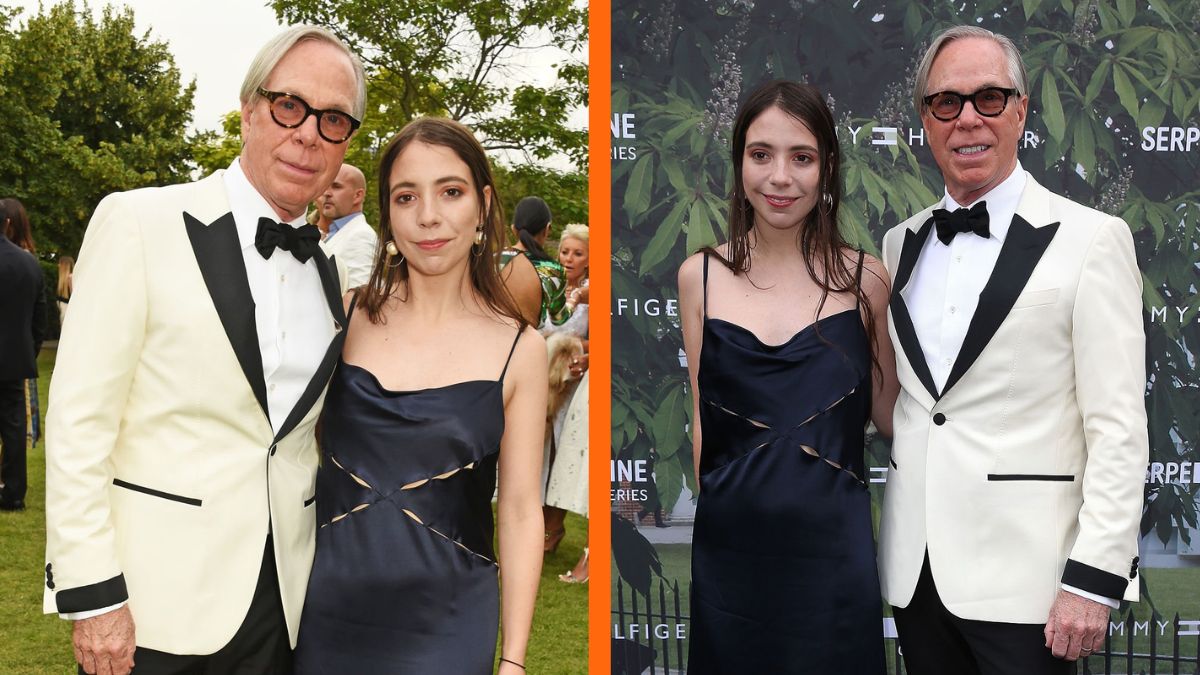
When people hear the name Hilfiger, they immediately think of one of the world’s most recognizable fashion brands. While Tommy Hilfiger built a global empire with his signature American style, his daughter, Elizabeth Hilfiger, has taken a very different creative path. Rather than following in her father’s footsteps, she has developed her own identity as a fashion designer, artist, and creative director known for pushing boundaries with modern streetwear and gender-inclusive fashion.
Elizabeth has earned attention for her independent label, Foo and Foo, which blends fashion, art, and individuality into every collection. Her work reflects originality, creativity, and a willingness to challenge traditional fashion norms. This article explores Elizabeth Hilfiger’s early life, education, career, family background, personal interests, and future ambitions while highlighting how she is making her own mark in the fashion industry.
Elizabeth Hilfiger Quick Facts
| Full Name | Elizabeth Hilfiger |
|---|---|
| Known As | Fashion Designer, Artist, Creative Director |
| Nationality | American |
| Birthplace | Greenwich, Connecticut, United States |
| Profession | Fashion Designer |
| Famous For | Founder of Foo and Foo |
| Education | Rhode Island School of Design (RISD) |
| Father | Tommy Hilfiger |
| Mother | Susie Hilfiger |
| Brand | Foo and Foo |
| Residence | United States |
Early Life and Background
Elizabeth Hilfiger was born and raised in Greenwich, Connecticut, where creativity and fashion were part of everyday life. Growing up in a family led by internationally recognized designer Tommy Hilfiger meant she was introduced to the fashion industry from an early age. Fashion shows, design discussions, and creative projects were familiar experiences throughout her childhood.
Despite this environment, Elizabeth developed a style that was noticeably different from the polished American preppy look associated with her father’s brand. Instead, she gravitated toward oversized clothing, streetwear, skate culture, vintage fashion, and artistic expression. Her unique sense of style reflected a desire to stand out rather than follow established trends.
As a child, Elizabeth showed a strong interest in drawing, painting, and creating things with her hands. These creative hobbies eventually evolved into a passion for fashion design. Rather than seeing clothing simply as something people wear, she viewed it as another form of artistic expression.
Her upbringing also gave her valuable insight into how the fashion industry works. Watching her father’s career helped her understand both the creative and business sides of fashion. However, she remained determined to build her own identity instead of relying on her family name.
To strengthen her design skills, Elizabeth enrolled at the Rhode Island School of Design (RISD), one of the most respected art and design schools in the United States. She studied Apparel and Textile Design, where she learned everything from garment construction and textile development to illustration and experimental fashion concepts.
RISD encouraged students to think creatively and challenge traditional ideas. That educational environment perfectly matched Elizabeth’s artistic mindset and helped shape the designer she would become. During her time there, she refined her ability to merge fashion with visual art while developing a deeper appreciation for craftsmanship and innovation.
After graduating, Elizabeth moved to Los Angeles to gain real-world experience. She worked with several independent designers and completed internships that introduced her to the fast-paced world of contemporary fashion. One of her most influential experiences came while working under Zoe Latta of the avant-garde fashion label Eckhaus Latta.
Those early opportunities allowed her to explore unconventional design techniques, experiment with different materials, and understand how independent fashion brands operate. More importantly, they reinforced her belief that creativity should always come before commercial expectations.
Today, Elizabeth Hilfiger is recognized not only as the daughter of a famous designer but also as an independent creative professional who has built her own reputation through originality, hard work, and artistic vision.
Her Age and Physical Features
Elizabeth Hilfiger prefers to keep much of her personal life private, including details about her exact date of birth. As a result, her official age has not been publicly confirmed. Unlike many public figures, she rarely discusses personal details in interviews and instead chooses to let her creative work speak for itself.
She is known for her effortlessly modern appearance, which reflects the same artistic philosophy seen in her clothing collections. Rather than following mainstream fashion trends, Elizabeth embraces a relaxed, contemporary look that combines comfort with individuality.
Her wardrobe often includes oversized jackets, loose-fitting denim, graphic T-shirts, cargo pants, sneakers, and layered outfits inspired by street culture. This style has become one of her trademarks and perfectly represents the identity of her fashion label.
Elizabeth has naturally light-colored hair, expressive features, and a confident personality that complements her creative profession. Her appearance reflects authenticity rather than glamour, making her relatable to younger audiences who appreciate originality over luxury branding.
Instead of promoting perfection, she encourages self-expression and individuality through personal style. This philosophy has helped her connect with fashion enthusiasts looking for clothing that feels genuine and inclusive.
Although she occasionally appears at fashion events and creative exhibitions, Elizabeth generally keeps a low public profile. Her focus remains on her work rather than celebrity attention, allowing her designs to remain at the center of her public image.
Career and Major Achievement
Elizabeth Hilfiger has built a career by following her own creative vision instead of relying on her family’s well-known name. After studying Apparel and Textile Design at the Rhode Island School of Design (RISD), she gained valuable experience working with independent fashion labels before launching her own brand, Foo and Foo, in 2017.
The brand quickly became known for its oversized streetwear, gender-inclusive designs, and limited-edition collections that encourage individuality and self-expression. Elizabeth also enjoys combining fashion with art, often collaborating with photographers, painters, and other creative professionals on unique projects.
In addition to leading Foo and Foo, she works as a creative director and stylist on editorial and fashion campaigns. Although she is Tommy Hilfiger’s daughter, Elizabeth has earned recognition through her own talent, originality, and fresh approach to modern fashion.
Relationship with Tommy Hilfiger
Elizabeth Hilfiger shares a close and supportive relationship with her father, Tommy Hilfiger, one of the most successful fashion designers in the world. Although they have different design styles, they have always respected each other’s creative vision. Tommy has encouraged Elizabeth to develop her own identity instead of simply following the path he created.
Growing up, Elizabeth had the opportunity to see firsthand how a global fashion brand operates. She attended fashion events, visited design studios, and witnessed the hard work that goes into building an internationally recognized label. These experiences gave her valuable knowledge about the industry while also inspiring her to explore her own interests.
Despite their family connection, Elizabeth has never tried to imitate her father’s signature preppy aesthetic. Tommy Hilfiger became famous for classic American fashion with clean lines and timeless designs, whereas Elizabeth prefers oversized silhouettes, streetwear, artistic collaborations, and gender-inclusive clothing. Their contrasting styles demonstrate that creativity can take many different forms.
Tommy has publicly supported his daughter’s independent journey, recognizing that every designer should have the freedom to express their own ideas. Instead of competing with his legacy, Elizabeth has built a reputation based on originality and artistic expression. Their relationship reflects mutual admiration, encouragement, and respect for each other’s accomplishments.
Although they occasionally appear together at fashion-related events, Elizabeth generally prefers to stay out of the spotlight. She allows her work to represent her rather than relying on her family’s fame. This balance has helped her earn recognition as an independent designer while maintaining a strong bond with her father.
Elizabeth Hilfiger Parents
Elizabeth Hilfiger was born to Tommy Hilfiger and Susie Hilfiger, both of whom have played important roles in her life. Her parents have long been connected to the fashion world, giving Elizabeth an environment filled with creativity, design, and artistic inspiration.
Her father, Tommy Hilfiger, built one of the world’s most recognizable fashion brands. Known for his signature red, white, and blue designs, he transformed classic American sportswear into a global lifestyle label. His success exposed Elizabeth to the fashion industry from a very young age.
Her mother, Susie Hilfiger, has also been involved in fashion and creative projects. While she has maintained a lower public profile than Tommy, she has contributed to the family’s creative environment and has supported Elizabeth throughout her personal and professional journey.
Growing up with parents who appreciated art, design, and innovation encouraged Elizabeth to think creatively. Rather than placing pressure on her to continue the family business, they allowed her to discover her own artistic interests and pursue a career that reflected her personality.
Their support became especially valuable when Elizabeth decided to launch Foo and Foo. Instead of joining the Tommy Hilfiger brand, she chose to establish an independent label with a completely different identity. Her parents respected this decision and encouraged her to build something that truly represented her vision.
Today, Elizabeth continues to appreciate the influence her parents had on her upbringing while remaining committed to creating her own legacy in the fashion industry.
Social Media Presence
Elizabeth Hilfiger maintains a selective and creative presence on social media. Unlike many celebrities and designers who post daily updates, she uses her platforms mainly to showcase her work, artistic collaborations, fashion projects, and behind-the-scenes creative moments.
Her content often features new collections from Foo and Foo, editorial photography, studio work, exhibitions, and collaborations with fellow artists. Rather than focusing on personal publicity, she allows her creative projects to take center stage.
This approach aligns perfectly with her personality. Elizabeth prefers authenticity over constant online attention, making her social media feel more like an artistic portfolio than a traditional influencer account.
Her followers appreciate the originality of her posts, which frequently highlight fashion experimentation, visual storytelling, and modern design concepts. Many young designers and fashion enthusiasts look to her pages for inspiration.
Although her following is smaller than that of mainstream fashion influencers, Elizabeth has built an engaged audience that values creativity and individuality over viral trends.
Who Is Tommy Hilfiger?
Tommy Hilfiger is one of the most influential fashion designers in modern history. He founded the Tommy Hilfiger brand in 1985 and transformed it into an internationally recognized fashion company known for its classic American style.
Throughout his career, Tommy has designed clothing, footwear, accessories, fragrances, and home products sold in countries around the world. His signature use of red, white, and blue colors has become instantly recognizable across the fashion industry.
Beyond his commercial success, Tommy has collaborated with musicians, athletes, and celebrities while helping shape popular fashion trends for several decades. His work has earned numerous awards and widespread recognition for its impact on global fashion.
Despite his remarkable achievements, Tommy has always encouraged creativity within his family. Instead of expecting Elizabeth to continue his design philosophy, he supported her decision to pursue her own artistic direction.
Today, father and daughter represent two different generations of fashion. Tommy symbolizes timeless American classics, while Elizabeth reflects contemporary streetwear and artistic experimentation. Together, they demonstrate how fashion continues to evolve across generations.
Personality and Interests
Elizabeth Hilfiger is widely recognized as someone who values creativity, independence, and authenticity. Those who have followed her career often describe her as thoughtful, artistic, and passionate about self-expression.
Rather than seeking constant media attention, she focuses on creating meaningful work that reflects her personal beliefs. This quiet confidence has become one of her defining characteristics.
Outside of fashion design, Elizabeth enjoys exploring different forms of visual art, including painting, photography, and multimedia installations. She often draws inspiration from modern culture, architecture, music, and everyday life.
Travel also plays an important role in her creative process. Visiting different cities and experiencing diverse cultures helps her discover new ideas, fabrics, colors, and artistic influences that eventually appear in her collections.
Elizabeth is also passionate about sustainability and thoughtful design. Instead of producing large quantities of clothing, she favors smaller collections that prioritize quality and originality over mass production.
Her interest in collaboration is another important aspect of her personality. She enjoys working with independent artists because she believes creativity grows stronger when different perspectives come together.
Overall, Elizabeth’s interests reflect her belief that fashion should inspire individuality rather than conformity.
Elizabeth Hilfiger Siblings
Elizabeth Hilfiger comes from a well-known family and has siblings who have also pursued their own interests and careers. While not all of them work directly in fashion, they have grown up in the same creative environment that encouraged innovation and personal expression.
Like Elizabeth, her siblings have generally maintained a relatively private lifestyle despite belonging to one of fashion’s most recognizable families. They rarely seek unnecessary media attention and prefer to focus on their own personal and professional lives.
Elizabeth’s close family relationships have provided a strong support system throughout her career. Growing up together allowed the siblings to share experiences while encouraging one another to pursue individual goals.
Although Elizabeth occasionally attends family events, she usually keeps the focus on her work rather than her personal life. This balance has helped her establish an identity that extends far beyond her famous surname.
The Hilfiger family’s emphasis on creativity, hard work, and independence has clearly influenced each member in different ways, with Elizabeth becoming one of the most distinctive voices in contemporary fashion.
Net Worth and Income
Elizabeth Hilfiger’s exact net worth has not been publicly disclosed. Since she operates an independent fashion label and works on a variety of creative projects, estimating her personal wealth with certainty is difficult.
Her primary source of income comes from Foo and Foo, where she designs and releases limited-edition collections that appeal to fashion enthusiasts seeking unique, high-quality pieces. Because the brand focuses on exclusivity rather than mass production, its business model differs from traditional fashion companies.
In addition to her label, Elizabeth earns income through creative direction, styling projects, fashion consulting, editorial collaborations, and artistic partnerships. These professional activities allow her to expand her career while continuing to explore new creative opportunities.
As Foo and Foo grows and gains wider recognition, Elizabeth’s financial success is expected to increase. Her reputation as an innovative designer positions her well for future collaborations with luxury brands, artists, and creative organizations.
More importantly, Elizabeth measures success through artistic freedom rather than commercial achievements alone. Her commitment to originality continues to define both her career and her growing influence within the fashion world.
Public Image and Legacy
Elizabeth Hilfiger has built a public image that is based on creativity, originality, and independence. Although she is widely recognized as the daughter of fashion icon Tommy Hilfiger, she has worked hard to establish herself as a talented designer with her own artistic vision. Rather than relying on her family’s reputation, she has earned respect by creating fashion that reflects her personal style and values.
Fashion critics and industry observers often praise Elizabeth for her willingness to experiment with new ideas. Her designs challenge traditional fashion rules by blending streetwear, art, and gender-inclusive concepts into collections that feel fresh and contemporary. This creative approach has helped her stand out in a highly competitive industry.
Another reason for her growing popularity is her commitment to authenticity. Instead of producing clothing simply to follow trends, Elizabeth focuses on creating meaningful collections that encourage individuality and self-expression. Her limited releases and collaborations with independent artists have attracted a loyal audience that appreciates originality over mass production.
Elizabeth is also admired for maintaining a relatively private lifestyle. She rarely seeks media attention or celebrity status, preferring to let her work speak for itself. This low-profile approach has strengthened her reputation as a designer who values creativity more than publicity.
Although her career is still evolving, Elizabeth has already inspired many young designers to embrace their own ideas rather than imitate established fashion trends. Her journey demonstrates that success comes from developing a unique identity and staying true to one’s creative vision.
As the fashion industry continues to embrace diversity, sustainability, and artistic collaboration, Elizabeth Hilfiger is well positioned to leave a lasting impact. Her work represents a new generation of designers who see fashion not only as clothing but also as a powerful form of artistic expression.
Future Plans
Elizabeth Hilfiger continues to explore new creative opportunities while expanding the reach of her independent label, Foo and Foo. Although she keeps many of her future projects private, her recent work suggests that she plans to continue pushing the boundaries of contemporary fashion.
One likely direction is the expansion of her artistic collaborations. Elizabeth enjoys working with painters, photographers, sculptors, and other creative professionals, and these partnerships have become an important part of her brand identity. Future collections are expected to feature even more innovative collaborations that combine fashion with visual art.
She is also likely to continue developing gender-inclusive clothing that reflects changing attitudes within the fashion industry. As consumers increasingly value comfort, individuality, and self-expression, Elizabeth’s design philosophy remains highly relevant.
Another area of growth could involve international exhibitions and pop-up experiences. Since her work blends fashion with art, showcasing collections through immersive installations would allow audiences to experience her creative vision in new and exciting ways.
Elizabeth may also expand her role as a creative director by working with additional fashion, beauty, and lifestyle brands. Her ability to develop compelling visual concepts makes her a valuable collaborator across multiple creative industries.
While no official announcements have been made about major commercial expansions, Elizabeth’s commitment to innovation suggests that her influence will continue to grow. Rather than chasing rapid success, she appears focused on building a career defined by originality, quality, and artistic integrity.
Conclusion
Elizabeth Hilfiger has successfully stepped out of the shadow of one of fashion’s biggest names to create a career that is entirely her own. While her father, Tommy Hilfiger, revolutionized classic American fashion, Elizabeth has embraced contemporary streetwear, artistic collaborations, and gender-inclusive design to establish a distinctive creative identity.
Her education at the Rhode Island School of Design, early industry experience, and passion for artistic expression laid the foundation for the launch of Foo and Foo, a brand that reflects originality, individuality, and thoughtful craftsmanship. Through limited collections and collaborations with emerging artists, she has shown that fashion can be both wearable and deeply creative.
Beyond her professional achievements, Elizabeth’s dedication to authenticity has earned the respect of fashion enthusiasts around the world. She continues to focus on meaningful design rather than commercial trends, proving that success is not defined by fame alone but by the ability to inspire others through creativity.
As her career continues to evolve, Elizabeth Hilfiger remains one of the most promising independent designers of her generation. Her willingness to challenge conventions while staying true to her artistic vision ensures that she will continue making an important contribution to the future of fashion.
FAQs About Elizabeth Hilfiger
Who is Elizabeth Hilfiger?
Elizabeth Hilfiger is an American fashion designer, artist, and creative director. She is best known as the founder of the independent fashion label Foo and Foo and the daughter of legendary designer Tommy Hilfiger.
What is Elizabeth Hilfiger famous for?
She is known for creating Foo and Foo, a contemporary fashion brand that focuses on streetwear, artistic collaborations, oversized silhouettes, and gender-inclusive clothing.
Who are Elizabeth Hilfiger’s parents?
Elizabeth Hilfiger’s parents are renowned fashion designer Tommy Hilfiger and Susie Hilfiger.
Where did Elizabeth Hilfiger study?
She studied Apparel and Textile Design at the prestigious Rhode Island School of Design (RISD).
What is Foo and Foo?
Foo and Foo is Elizabeth Hilfiger’s independent fashion label. The brand is recognized for its creative streetwear, limited-edition collections, and collaborations with artists from different creative fields.
Does Elizabeth Hilfiger work for the Tommy Hilfiger brand?
No. Elizabeth has chosen to pursue her own independent career and operates her own fashion label instead of working directly for the Tommy Hilfiger brand.
Is Elizabeth Hilfiger active on social media?
Yes. Elizabeth maintains a social media presence where she shares updates about her fashion projects, creative collaborations, and artistic work, although she keeps much of her personal life private.
What makes Elizabeth Hilfiger’s designs unique?
Her designs stand out because they combine contemporary streetwear, artistic expression, comfortable silhouettes, and gender-inclusive fashion while emphasizing individuality and creative freedom.