

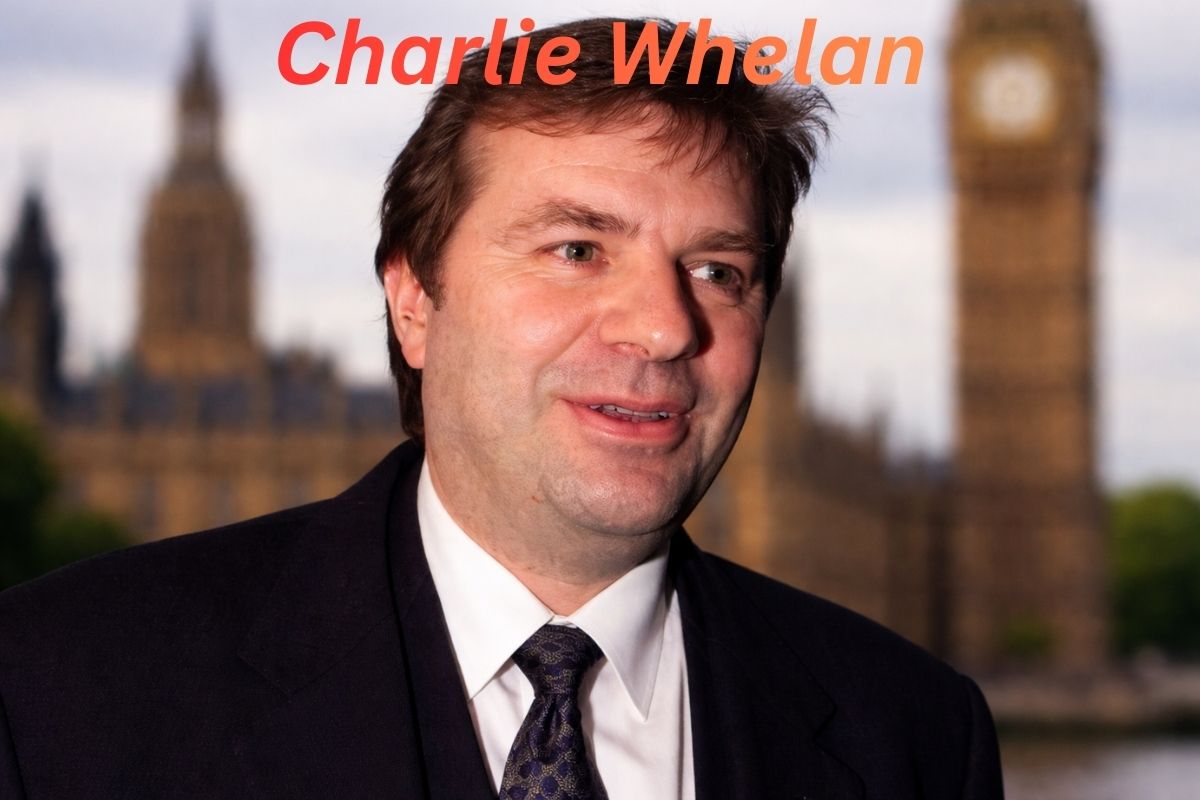
Charlie Whelan is a name that has resonated through British political circles for decades. Known for his strategic mind, influential role in trade unions, and impactful presence in political media, Whelan’s career has been marked by both achievements and controversies. This article delves deep into his life, career, and ongoing influence, providing readers with a comprehensive understanding of this prominent figure.
Early Life and Education of Charlie Whelan
Charlie Whelan was born on 3 February 1954 in north-east Surrey, England. Growing up in a working-class family, Whelan developed an early interest in politics and social issues. He attended Ottershaw School, a state boarding school, where his academic prowess began to shine.
Pursuing Political Knowledge
After completing his secondary education, Whelan pursued higher studies in politics at the City of London Polytechnic. This educational foundation helped him develop a keen understanding of political systems, economic policies, and communication strategies. His time at university also shaped his approach to strategic thinking, which later became a hallmark of his career.
Career Beginnings: From Banking to Political Strategy
Before entering politics full-time, Charlie Whelan briefly worked as a foreign exchange dealer. While this experience was far removed from politics, it provided him with insights into finance and economic matters, which proved useful during his later political advisory roles.
Transition to Political Advisory
Whelan’s move into political advisory began when he started working closely with the Labour Party, focusing on communication and media strategy. His sharp analytical skills and understanding of political narratives quickly gained him recognition among senior party leaders.
Role as Gordon Brown’s Press Secretary
Charlie Whelan’s career reached new heights when he became the press secretary for Gordon Brown during Brown’s tenure as Shadow Chancellor and later Chancellor of the Exchequer.
Key Responsibilities
As press secretary, Whelan was responsible for managing media relations, crafting political messages, and ensuring that Brown’s policies were effectively communicated to the public. He played a critical role in shaping public perception and managing the media narrative around economic and social policies.
Influence and Achievements
- Media Strategy: Whelan was known for his meticulous planning and innovative media strategies that helped position Brown as a formidable political figure.
- Crisis Management: He successfully navigated several political crises, maintaining the party’s image and credibility.
- Policy Communication: Whelan ensured that complex economic policies were translated into understandable messages for the public.
Controversies and Resignation
Despite his successes, Whelan’s career has not been without controversy. In 1999, he resigned from Gordon Brown’s office following a highly publicized leak regarding Peter Mandelson’s home loan, which led to Mandelson’s resignation.
The Mandelson Affair
The leak sparked intense media scrutiny and political debate. While Whelan maintained that his intentions were in the best interest of transparency, the incident highlighted the complexities and pressures of political advisory work.
Lessons from the Incident
The controversy served as a pivotal moment in Whelan’s career, teaching him the importance of discretion, ethical communication, and navigating internal party dynamics.
Involvement with Trade Unions
After leaving formal advisory roles, Charlie Whelan joined Unite the Union, Britain’s largest trade union, as political director. In this capacity, he influenced labour policies, political campaigns, and union strategies.
Achievements at Unite
- Political Coordination: Whelan was instrumental in aligning the union’s political agenda with the Labour Party.
- Campaign Strategy: He oversaw campaigns that advocated for workers’ rights and social reforms.
- Influence on Labour Policies: His strategic insights helped shape policies that affected millions of workers across the UK.
Controversies in Union Politics
Whelan’s role at Unite was not without criticism. Internal debates over union influence in political matters and strategic decisions often placed him in the spotlight. However, his ability to navigate these challenges reinforced his reputation as a skilled strategist.
Media Career and Commentary
Following his tenure at Unite, Charlie Whelan transitioned into media and political commentary. He became a recognizable voice on political radio, television, and print media, sharing insights on Labour Party dynamics and broader political trends.
Contributions to Media
- BBC Radio Appearances: Whelan frequently appeared on national radio programs, offering expert analysis of political events.
- Print Journalism: He contributed articles and opinion pieces for leading newspapers, providing perspective on political strategies and party developments.
- Public Speaking: Whelan engaged in speaking events, seminars, and conferences, educating audiences on political communication and strategy.
Legacy and Influence
Charlie Whelan’s influence in British politics is undeniable. From his advisory role with Gordon Brown to his tenure at Unite, Whelan has left a lasting impact on political communication and trade union strategy.
Key Contributions
- Political Strategy: Whelan’s work has shaped the way political campaigns are conducted in the UK.
- Media Management: He set new standards for political communication and media relations.
- Trade Union Advocacy: His contributions strengthened the union’s voice in shaping national policies.
Lessons from Charlie Whelan’s Career
Studying Whelan’s career offers valuable lessons for aspiring political strategists, journalists, and policymakers.
Importance of Strategic Communication
Whelan demonstrated that clear and consistent communication is vital for political success. Understanding how to frame messages and manage media narratives can influence public opinion significantly.
Navigating Controversy
Political careers often involve challenges and controversies. Whelan’s experience shows that resilience, ethical decision-making, and adaptability are essential for long-term success.
Combining Politics with Media
Whelan’s seamless transition from political advisory to media commentary highlights the interconnectedness of politics and journalism. Building expertise in both areas can create a powerful platform for influence.
Conclusion
Charlie Whelan remains a pivotal figure in British politics, known for his strategic mind, media expertise, and influential role in trade unions. His career, marked by both achievements and controversies, offers valuable insights into political strategy, communication, and the power of media in shaping public opinion. As political landscapes evolve, Whelan’s legacy continues to influence how political narratives are crafted, debated, and understood in the UK.